
// Technical Scaffolding
Custom Development Mitigates Performance Bottlenecks
Summary: Mass-market commercial themes load unnecessary visual assets that increase rendering latency. We address this by isolating script resources, implementing semantic HTML5 structural elements, and utilizing modular block systems.
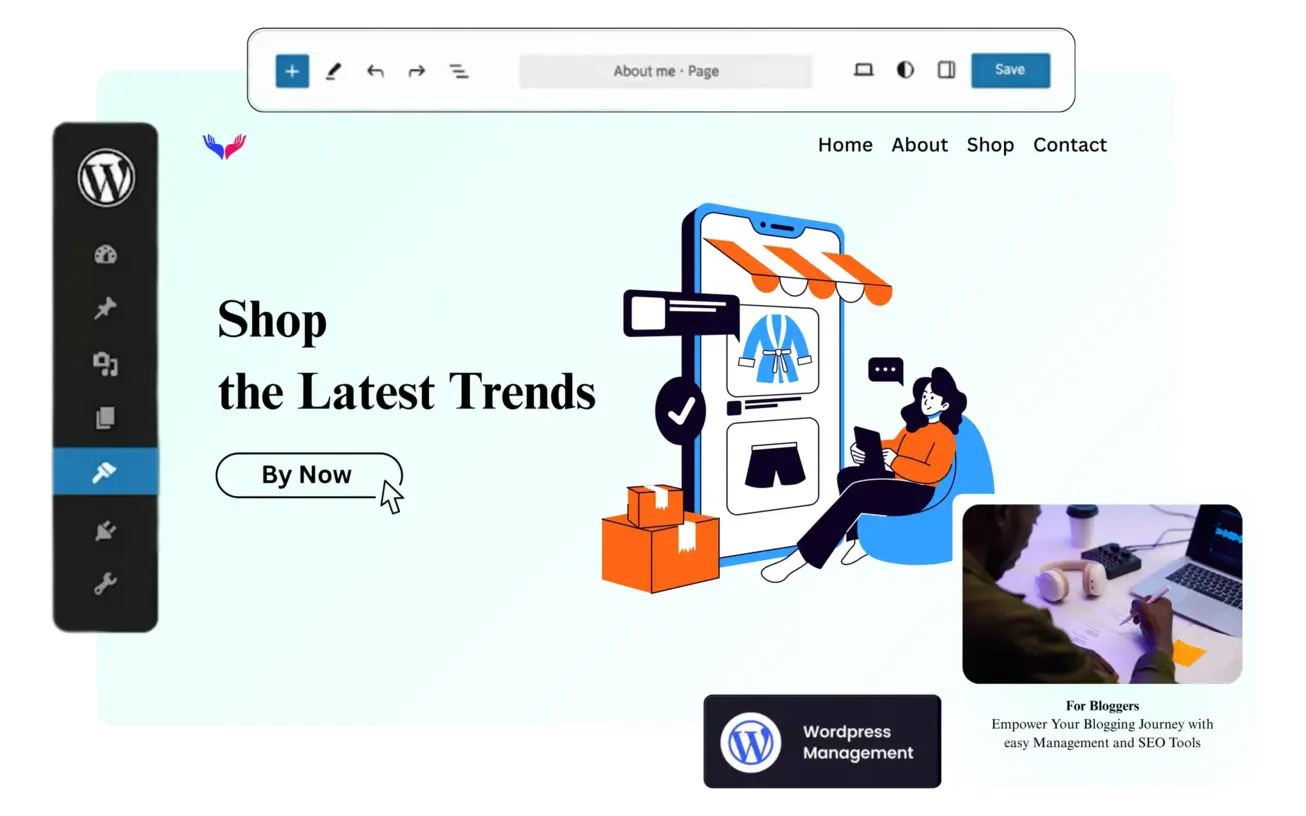
Our custom engineering workflows build structural layout architectures directly inside the system dashboard. This keeps backend operation simple for your editorial staff while optimizing core rendering times.
- Engineered with precise semantic Gutenberg blocks
- Isolated script asset dependency for optimal page rendering
- Native compatibility with localized structural search indexing
Integrating this lightweight framework with our customized SEO services helps index your content clearly across organic search engine result platforms.
Core React Component Blocks
Bespoke visual block modules built natively using React framework integration, completely eliminating external grid layouts.
Inline Asset Compilation
Contextual CSS script enqueuing isolates styling instructions, loading layout requirements without extra resource overhead.
REST API Headless Scaling
Extensible backend databases configured to safely deploy decoupled architectures via structured data fetch requests.
// Performance Metrics
Resolving Core Web Vitals Render Anomalies
Summary: Unoptimized site templates increase page load latency, which negatively impacts search engine crawl budgets and user retention rates. We resolve these execution delays at the template level.
Three Critical Issues Solved by Custom WordPress Coding
- Redundant DOM Nesting: Automated visual theme builders create complicated, deep HTML structures. This complexity makes it harder for search engine crawlers to parse semantic heading paths correctly.
- Global Resource Overheads: Loading extensive styling packages on simple text displays creates server asset bottlenecks. Our structured web development services optimize this delivery.
- Vulnerable Database Queries: Relying heavily on third-party plugin tables fragment data setups. We resolve this by implementing clean database indexing protocols.
| Development Metric | Standard Theme Implementations | Suryani WordPress Engineering Custom Standards |
|---|---|---|
| Code Structure | Automated script generation layers | Validated, semantic HTML5 clean markup |
| Asset Delivery | Global site-wide asset styling queues | Contextual compilation based on layout requirements |
| Database Optimization | Redundant plugin operational tables | Indexed configurations built with low query metrics |
| Security Operations | Basic periodic software version updates | Hardened infrastructure paths and isolated API endpoints |
// Engineering Standards
Core Implementation Pillars for Stable Optimization
Summary: We align open-source application servers to meet performance indexing targets and support steady business user conversions.
Conversion Path Optimization
Optimizing baseline load interactions removes interface friction, reducing bounce rates during client lead onboarding processes.
Hardened Infrastructure Pathways
We systematically obscure directory structures, restrict root access parameters, and secure database pathways to prevent security vulnerabilities.
Core Web Vitals Integrity
Our custom theme frameworks natively meet Core Web Vitals targets, ensuring stable technical performance for search indexing.
Long-Term Structural Performance Lifecycle
Web platforms should remain functional through structural theme core updates. We ground our layout configurations within native WordPress system parameters, keeping code architectures stable and straightforward to maintain as the site scales.
Combining these lightweight coding standards with our secure web hosting services reduces initial server response metrics (TTFB) to maintain smooth application delivery during high traffic.
// Project Workflow Phases
Structured WordPress Engineering Workflow Pipeline
Summary: We follow a transparent, six-phase technical roadmap focused on validating structural code performance and optimizing asset stability.
-
1. User Interface Structure Mapping
We organize functional layout mapping arrays to match primary visitor workflow targets and coordinate baseline business conversion mechanics.
-
2. Custom Block Environment Development
Our developers build bespoke module components directly into native engine block registries, avoiding thick third-party packaging sets.
-
3. Element Styling & Resource Isolation
We isolate CSS instructions and conditional JavaScript calls by component block to minimize system Cumulative Layout Shift (CLS) issues.
-
4. Structural Metadata Engine Integration
We integrate semantic organizational markup models inside structural script elements to provide clean platform configurations for automated extraction indexing.
-
5. Security Controls & Cache Architecture
Our network team configures explicit path access rule sets, sets up localized firewalls, and applies precise object cache validation configurations.
-
6. Technical Diagnostic Performance Checks
We execute multi-point speed testing scripts to monitor performance boundaries and ensure server loading speeds match target specs.
// Applied Tech Standards
Enterprise System Optimization Matrix Scope
Summary: Every system we build includes standard optimization features to ensure long-term platform stability and data safety.
Asset Payload Tuning
We set up optimized image processing pipelines, minify script assets, and prioritize critical CSS delivery to speed up page rendering times.
Server Endpoint Hardening
We lock down application routes, change standard admin URL points, and apply server-level validation rules to prevent malicious script injection.
Dynamic API Map Frameworks
Our developers build geo-location script arrays directly into theme templates to accurately support local and regional search results.
Semantic Metadata Frameworks
We implement custom schema rendering configurations that output precise metadata layouts for automated indexing search crawlers.
Interface Visual Alignment
We combine clear typography systems with structured visual hierarchies to create straightforward user interaction points.
WooCommerce Operations Setup
Our team engineers responsive catalog management configurations tailored to scale transactional databases smoothly. Explore our custom enterprise e-commerce solutions.
Automated Monitoring Metrics
We deploy continuous server checks that actively monitor database queries and immediately flag script processing delays.
Structured Tag Event Tracking
We set up custom Google Tag Manager scripts to capture key operational user actions cleanly without adding page weight.
// Tailored Configurations
Industry-Specific WordPress Configurations We Deploy
Summary: We customize the core functionalities of the WordPress CMS to build solutions tailored to the data structures and regulations of specific business sectors.
- Multinational Portals
- Trekking Booking Systems
- Institutional Learning Frameworks
- Clinic Intake Operations
- NGO & Donor Hubs
- WooCommerce Retail Stores
- Dynamic Property Listings
- Marketing Landing Stacks
// Technical Ecosystem
Our Core Technical Engineering Stack
Summary: We use standardized open-source libraries, databases, and languages to keep development transparent, widely compatible, and straightforward to maintain.
- WordPress Core REST API
- Elementor Pro Builder
- React Gutenberg Blocks
- PHP 8.x Processing
- Tailwind / Vanilla CSS3
- Webpack Compiler Stack
- MariaDB Index Optimization
- Redis Object Caching
- Git Version Control
- Lighthouse Diagnostics
- Premium Plugin Integrations
- WooCommerce Core
- Stripe / PayPal Gateways
- E-Commerce Catalogs
// Common Inquiries
Frequently Asked WordPress Engineering Questions
Summary: Straightforward answers regarding our programming workflows, data asset configurations, and platform migration tasks.
Can content editors modify pages without technical coding experience?
Yes. By tailoring the native WordPress Gutenberg editor, and Elementor where needed, to your exact needs, your team can edit layouts easily using visual block settings without risking page speed or breaking system styles.
Do you use pre-made premium themes or builders like Elementor?
We build custom themes from scratch using clean code, and bring in Elementor Pro selectively where it genuinely speeds up delivery. Either way, we strip unused assets so your site loads fast and ranks well.
How do you protect your custom themes from malicious attacks?
We protect systems by securing core configurations, changing default access routes, enforcing strong validation scripts, and limiting plugin counts to keep entry vulnerabilities low.
Can an existing legacy website be safely migrated onto your custom blocks architecture?
Yes. We extract old platform content databases, maps data, and existing media assets, mapping them securely onto clean custom schema configurations without losing historical URL structures.
Can you set up online payments and e-commerce for us?
Yes. We build WooCommerce catalogs, connect secure payment gateways such as Stripe and PayPal, and configure tax, shipping, and inventory rules so your store runs reliably from day one.
Upgrade to a Secure, High-Performance Web Infrastructure
Optimize your site's operational visibility and lower layout response latency. Request a custom technical architecture assessment with our engineering team today.
Launch My Engineering Consultation